If you’ve ever stared at a dispensary menu wondering what half those words mean, you’re not alone. A 2024 survey by New Frontier Data found that 64% of new cannabis consumers feel overwhelmed when choosing a strain for the first time. The good news? You don’t need a botany degree to make confident choices — you just need the right framework.
This cannabis strain guide breaks down everything you need to know: the classics (indica, sativa, hybrid), the science behind terpenes and cannabinoids, popular strain families, and a practical system for matching strains to your goals. Whether you want deep relaxation, creative focus, or pain relief, this pillar resource will help you shop with clarity, intention, and confidence.
Indica vs Sativa vs Hybrid: The Foundation
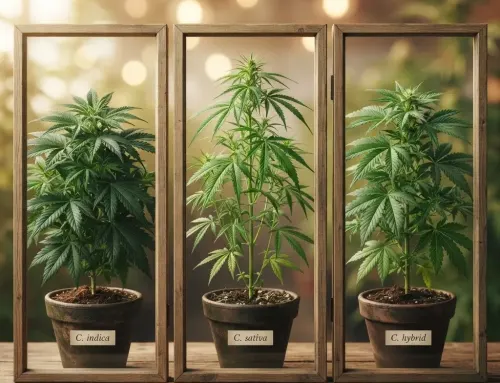
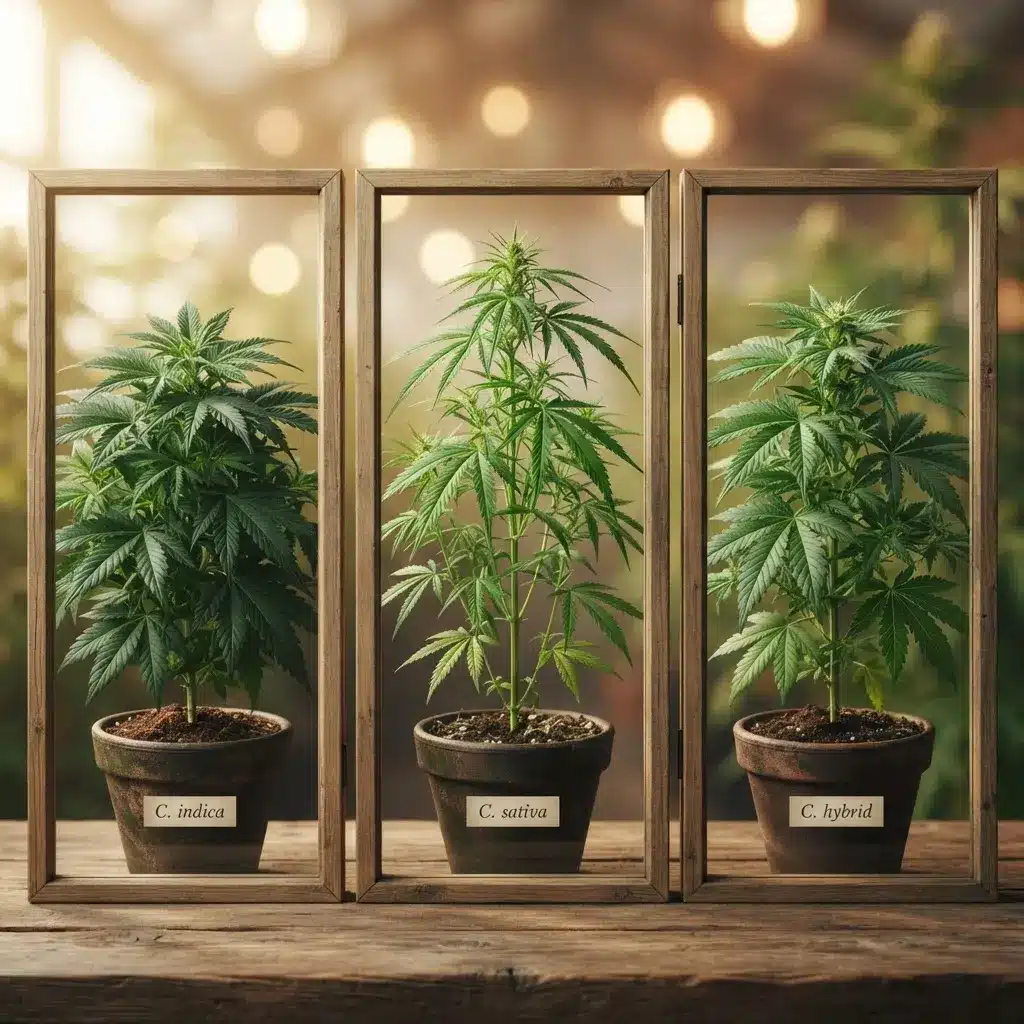
The three-category system — indica, sativa, and hybrid — is the oldest and most widely recognized way to classify cannabis strains. Indica strains are traditionally associated with full-body relaxation and nighttime use, while sativa strains are linked to uplifting, energizing effects better suited for daytime. Hybrids fall somewhere in between, blending characteristics from both lineages. According to a 2023 analysis published in PMC (NIH), these labels originate from botanical taxonomy describing plant structure — not necessarily predictable effects.
Here’s the catch: modern science has shown that the indica/sativa split is more of a useful shorthand than a hard rule. Two strains both labeled “indica” can produce wildly different experiences depending on their chemical profile. That said, these categories remain valuable as a starting point, especially for newcomers who need a simple way to begin narrowing their options. Think of them as a rough map — helpful for orientation, but not the whole territory.
For a deeper dive into this topic, check out our companion article: Indica vs Sativa vs Hybrid: What’s the Real Difference? That piece explores why the old indica=body, sativa=head myth doesn’t hold up under scientific scrutiny. Together, this pillar guide and that companion article give you the complete picture.
Quick reality check: The indica/sativa/hybrid labels describe plant ancestry — not guaranteed effects. Always look deeper at terpenes and cannabinoid ratios for a true picture.
Terpenes: The Real Drivers of Effect
If indica and sativa are the cover of the book, terpenes are the actual story. Terpenes are aromatic compounds found in cannabis (and many other plants) that give each strain its distinctive smell and flavor. More importantly, research increasingly shows that terpenes play a significant role in shaping the effects you feel. A 2021 study from the University of Arizona Health Sciences demonstrated that cannabis terpenes can produce pain relief on their own, mimicking cannabinoid effects through the body’s own pathways.
Understanding terpenes transforms how you choose cannabis. Instead of relying on a vague “sativa = energetic” label, you can look for specific terpenes that align with your desired outcome. Want to relax? Look for myrcene. Need focus? Seek out pinene. Struggling with stress? Limonene may be your ally. This terpene-first approach puts you in control, letting you predict effects with far more accuracy than the old indica/sativa system ever could.
| Terpene | Aroma | Common Effects | Found In |
|---|---|---|---|
| Myrcene | Earthy, musky, herbal | Relaxation, sedation, body calm | OG Kush, Granddaddy Purple, Blue Dream |
| Limonene | Citrus, lemon, orange | Mood elevation, stress relief, focus | Lemon Haze, Super Lemon Haze, Do-Si-Dos |
| Pinene | Pine, woodsy, fresh | Alertness, memory retention, focus | Jack Herer, Blue Dream, Bubba Kush |
| Caryophyllene | Pepper, spice, clove | Anti-inflammatory, stress relief, body comfort | OG Kush, Girl Scout Cookies, Sour Diesel |
| Linalool | Floral, lavender, sweet | Calming, anxiety reduction, relaxation | Lavender Kush, Amnesia Haze, LA Confidential |
| Humulene | Earth, wood, spice | Appetite suppression, anti-inflammatory | Wedding Cake, Headband, Corazon |
The concept of the entourage effect — the idea that cannabinoids and terpenes work together synergistically — has gained significant traction in the scientific community. A 2024 study published in PubMed explored how medicinal cannabis constituents, particularly terpenes, may produce complementary therapeutic effects. While debate continues about the exact mechanisms, the practical takeaway is clear: whole-plant cannabis with diverse terpene profiles often delivers a richer, more nuanced experience than isolated compounds.
When you browse our flower selection, look for terpene information on each product page. The more you learn to read these profiles, the better your predictions become — and the more satisfying your sessions get. Over time, you’ll develop favorites based on terpene combinations rather than strain names alone, which is exactly how connoisseurs shop.
Pattern interrupt: Stop scrolling menus aimlessly. Next time, search for a terpene first, then find strains that feature it. It’s like ordering wine by flavor notes instead of by color — same product, smarter approach, better results.
Cannabinoids 101: THC, CBD, CBG, and CBN
Cannabinoids are the active chemical compounds in cannabis that interact with your body’s endocannabinoid system. THC (tetrahydrocannabinol) is the primary psychoactive cannabinoid responsible for the “high,” while CBD (cannabidiol) is non-intoxicating and associated with calming, anti-anxiety, and anti-inflammatory effects. The ratio between THC and CBD is one of the most important numbers on any product label — it tells you how potent the experience will be and whether it leans cerebral or balanced.
Beyond THC and CBD, minor cannabinoids are getting well-deserved attention. CBG (cannabigerol), often called the “mother cannabinoid,” is being studied for its potential to reduce anxiety and support focus — a 2024 clinical observation noted in Frontiers in Pharmacology found CBG reduced stress and anxiety scores without causing intoxication. CBN (cannabinol) is a mildly psychoactive degradation product of THC that’s increasingly associated with sleep support; emerging evidence suggests it may increase non-REM sleep duration and reduce nighttime wakefulness.
Here’s a quick reference for the four major cannabinoids you’ll encounter on product labels. Each plays a distinct role, and understanding their individual effects helps you read lab reports with confidence. Keep in mind that these compounds rarely work in isolation — their interactions, guided by terpene pairings, create the full experience:
- THC — Psychoactive, euphoric, appetite stimulation, pain relief
- CBD — Non-intoxicating, calming, anti-inflammatory, anxiety reduction
- CBG — Focus, stress relief, potential antibacterial properties, no high
- CBN — Sleep support, mild sedation, appetite stimulation
Remember: A strain with 25% THC isn’t automatically “better” than one with 18%. Potency is just one variable — terpenes, minor cannabinoids, and your own tolerance all shape the final experience. Quality beats quantity, every single time. The National Institute on Drug Abuse (NIDA) notes that THC potency alone does not determine the overall cannabis experience, supporting a more holistic view of strain evaluation.
How to Read a Strain: Beyond the Name
A strain name tells you very little on its own. “Blue Dream” could be grown by ten different cultivators and produce ten slightly different experiences. What matters is the chemical profile: the THC percentage, the CBD content, the dominant terpenes, and sometimes the minor cannabinoid breakdown. Reputable producers provide lab-tested Certificate of Analysis (COA) results that show exactly what’s in the batch. Learning to read these reports is the single biggest upgrade you can make to your cannabis literacy.
Start by looking at three things on every product: the THC:CBD ratio, the top two or three terpenes, and the total cannabinoid percentage. If a strain lists 22% THC, 0.1% CBD, and dominant terpenes of myrcene and caryophyllene, you can predict a relaxing, body-forward experience with anti-inflammatory potential. If it shows 20% THC with limonene and pinene leading, expect something brighter and more cerebral. This systematic approach replaces guesswork with informed decision-making.
At 420 Nugz, we provide detailed product information so you can shop this way. And when you’re ready to stock up, don’t forget to check our current deals for savings on top-shelf flower. Smart shopping means combining the right product with the right price, and our rotating promotions make that easy.
Popular Strain Families: OG, Runtz, Kush, and Haze
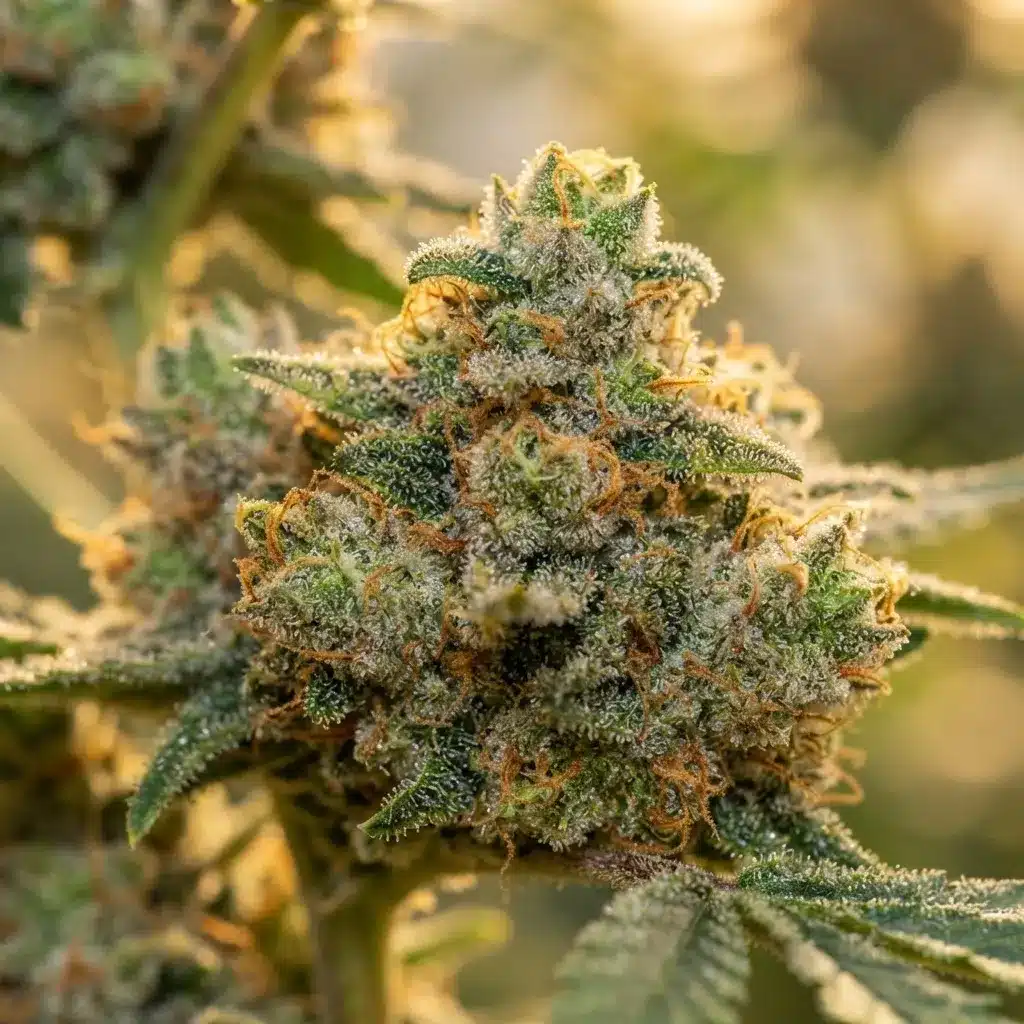
Strain names aren’t random — they reflect genetic lineage, and certain families have shaped the cannabis landscape for decades. Understanding these families helps you anticipate general characteristics before you even see the lab report. The OG family (OG Kush, Tahoe OG, SFV OG) is legendary for its earthy, fuel-like aroma and potent, balanced effects. The Runtz family, a newer powerhouse born from Zkittlez x Gelato, has dominated menus since 2020 with candy-sweet flavors and THC levels often exceeding 25%.
The Kush family (Bubba Kush, Hindu Kush, Master Kush) traces its roots to the Hindu Kush mountains and typically delivers deep body relaxation with earthy, spicy notes. The Haze family (Amnesia Haze, Super Lemon Haze, Haze 1) is known for bright, energetic, cerebral effects and long flowering times. Each family has dozens — sometimes hundreds — of crosses and phenotypes, so there’s always something new to explore within a lineage you already enjoy.
Here’s a comparison of the four major strain families. Note the wide THC ranges — even within a single family, potency varies significantly depending on phenotype, cultivation methods, and harvest timing. Use this table as a starting point for exploration, then drill into specific strains using their lab data:
| Family | Origins | Typical Aroma | Signature Effects | THC Range |
|---|---|---|---|---|
| OG | California, 1990s | Earthy, fuel, pine | Balanced, euphoric, relaxing | 20–27% |
| Runtz | California, 2018+ | Candy, fruit, sweet | Happy, tingly, uplifting | 24–30% |
| Kush | Hindu Kush mountains | Earthy, spice, herbal | Sedating, body-heavy, calm | 17–24% |
| Haze | California/Netherlands | Citrus, pine, sweet | Energetic, creative, cerebral | 18–25% |
Pro tip: Once you find a family you love, explore its crosses. If OG Kush hits the spot, Tahoe OG and Fire OG are natural next steps — same genetic backbone, slightly different expressions. The adventure never ends.
How to Choose a Cannabis Strain by Desired Effect
Now for the most practical part of this guide: matching strains to what you actually want to feel. The key is to work backward from your goal. If you want deep relaxation and sleep, look for high-myrcene indicas or Kush-family strains with moderate-to-high THC. If you’re seeking creative focus and daytime energy, limonene- and pinene-forward sativas or Haze varieties are your best bet. For stress and anxiety relief, seek out caryophyllene and linalool-dominant strains with a balanced THC:CBD ratio.
For pain management, caryophyllene and myrcene are your friends — they’re associated with anti-inflammatory and analgesic properties. If you’re looking for social ease without heavy sedation, balanced hybrids with moderate THC (15–20%) and limonene profiles often hit the sweet spot. And if you’re new to cannabis or sensitive to THC, start with high-CBD, low-THC options that deliver therapeutic benefits without overwhelming psychoactivity. The right strain isn’t about chasing the highest THC number — it’s about finding the profile that serves your purpose.
Here’s a quick decision guide to keep handy when you’re browsing menus. Each pairing links a desired effect with the terpenes and strain categories most likely to deliver it. Use it as a cheat sheet, then refine your choices based on personal experience and lab data:
- Relaxation & Sleep: Myrcene + Linalool, indica-leaning (e.g., Granddaddy Purple, Bubba Kush)
- Focus & Energy: Limonene + Pinene, sativa-leaning (e.g., Jack Herer, Super Lemon Haze)
- Stress Relief: Caryophyllene + Linalool, balanced hybrid (e.g., OG Kush, Girl Scout Cookies)
- Pain Management: Myrcene + Caryophyllene, indica or hybrid (e.g., Blue Dream, ACDC)
- Social & Creative: Limonene + Pinene, hybrid (e.g., Blue Dream, Lemon Haze)
- Beginner-Friendly: High CBD, low THC (e.g., Harlequin, ACDC, Pennywise)
The 420 Nugz Strain Inventory: What We Carry
As a legal medical cannabis collective serving Riverside and the greater Inland Empire, 420 Nugz curates a rotating selection of premium flower to serve every need in this guide. Our inventory spans indica, sativa, and hybrid categories, with strains carefully selected for quality, potency, and terpene diversity. Whether you’re seeking a heavy-hitting OG for evening wind-down, a bright sativa for daytime productivity, or a balanced hybrid for all-day use, we stock options at multiple price points to fit your budget.
Our same-day delivery service means you can browse our flower catalog online, place your order, and have premium cannabis at your door — often within hours. We also rotate featured strains and offer regular promotions through our deals page, so checking back frequently pays off. Every product we carry is lab-tested, legally sourced, and handled with the care our collective members deserve.
We believe that access to quality cannabis should be straightforward, affordable, and informed by education. That’s why we invest in product transparency, terpene reporting, and customer support — so you can apply everything in this guide to real purchasing decisions. When you order from 420 Nugz, you’re not just buying flower; you’re joining a collective that prioritizes your well-being, your privacy, and your right to make informed choices about your medicine.
Cannabis Strain Selection: Common Mistakes to Avoid
Even with a solid guide, it’s easy to fall into common traps. The biggest mistake? Chasing THC percentage as the sole metric of quality. A 30% THC strain with a flat terpene profile will likely deliver a less enjoyable experience than an 18% strain rich in complementary terpenes. Another frequent misstep is ignoring your tolerance level — if you’re new or returning after a break, starting with lower-potency strains prevents uncomfortable experiences and builds your confidence over time.
A third mistake is not tracking what works. Keep a simple log of the strains you try, their terpene profiles, and how they made you feel. Over time, patterns emerge that make future choices effortless. Finally, don’t be afraid to ask questions — our team is here to help you navigate the menu, explain terpene profiles, and recommend strains based on your specific goals. That’s what a collective is for: community, education, and shared knowledge that lifts everyone up.
Bottom line: Great strain selection comes down to three things — knowing your goal, reading the chemical profile, and tracking your results. Master those, and every order gets smarter, every session gets better, and every dollar goes further.
Putting It All Together
This cannabis strain guide exists to replace confusion with clarity. By understanding the interplay between indica/sativa classifications, terpene profiles, cannabinoid ratios, and strain families, you now have a comprehensive framework for making informed choices. The science of cannabis is evolving rapidly, and staying curious about new research, emerging cannabinoids, and fresh strains will keep your experience rich, relevant, and rewarding.
At 420 Nugz, we’re committed to education as much as quality product. We believe an informed member is a satisfied member, and we’re always here to help you put this knowledge into practice. Browse our shop, explore our flower selection, and don’t hesitate to reach out with questions. Your perfect strain is out there — and now you have the tools, the knowledge, and the confidence to find it.
Disclaimer: 420 Nugz is a legal medical cannabis collective operating under California Proposition 215 (the Compassionate Use Act of 1996) and SB 420. Cannabis is for qualified medical patients only. The information in this guide is for educational purposes and is not a substitute for professional medical advice. Always consult a qualified healthcare provider before using cannabis for medical purposes. You must be 21 or older with a valid medical recommendation to order.